


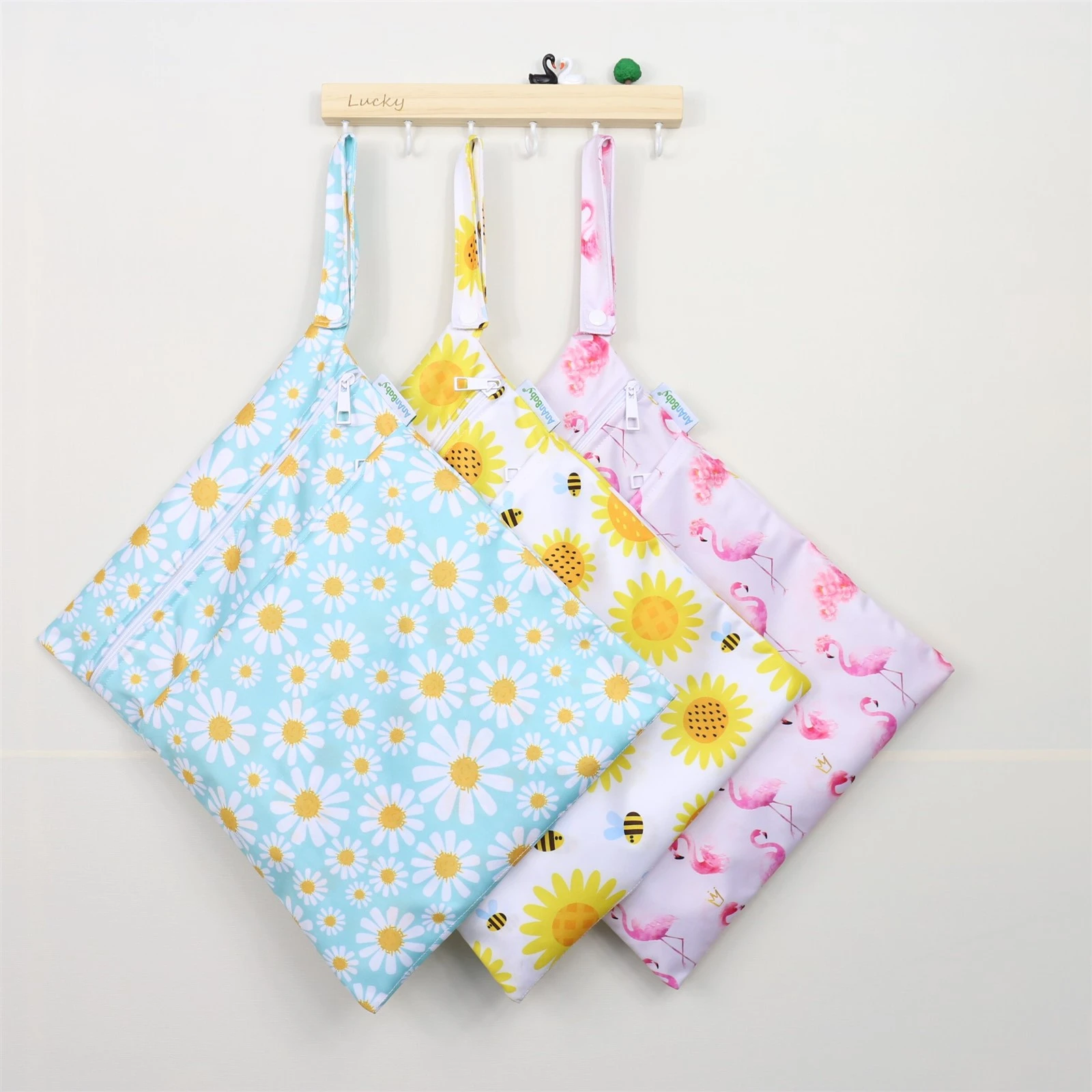
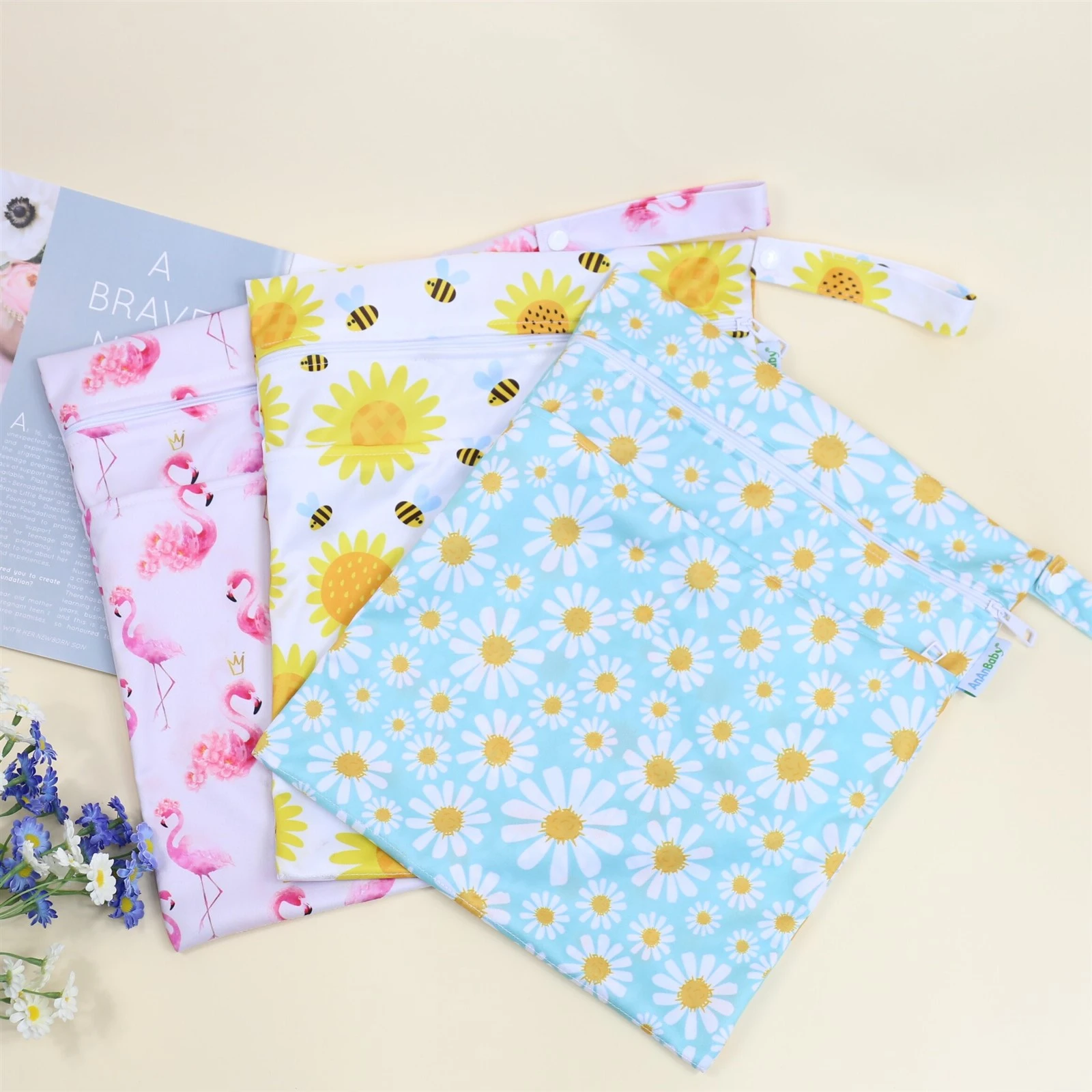

Are Wet Bags Smell Proof?
Wet bags are not inherently fully smell proof-most basic wet bags offer odor resistance (minimizing smell leakage) but lack the airtight, odor-blocking construction needed to be 100% smell proof. Their ability to contain odors depends on three core factors: material quality, sealing design, and how they're used (e.g., cleaning, storage). Below is a detailed breakdown of their odor-controlling performance, limitations, and how to boost smell containment:
1. Why Most Wet Bags Block Some Odors (Odor Resistance)
Wet bags are designed primarily for damp, messy items (swimwear, cloth diapers, gym gear, wet towels) and use materials that naturally resist moisture and slow odor escape-this is what makes them odor resistant, the key feature that sets them apart from regular fabric bags:
• Core materials: The most common fabrics are PU-coated polyester/nylon, TPU-laminated fabric, or waterproof neoprene. These materials are non-porous (or low-porosity) and waterproof, which prevents the damp, bacteria-causing moisture (the main source of bad smells) from seeping out-and without moisture seepage, odor-causing microbes can't spread to the outside air as easily.
• Stitched & sealed seams: Quality wet bags have heat-sealed (not just stitched) seams. Stitched-only seams leave tiny pinholes that let air/odor escape, but heat-sealed seams create a waterproof, airtight barrier along the edges, eliminating this small leak point.
• Zipper coverage: Many wet bags have a flap that covers the zipper (a common weak spot for air/odor). The flap adds an extra layer of fabric to block odor from seeping through the zipper's teeth, which are naturally slightly porous.
For mild odors (e.g., damp swimwear, lightly soiled cloth diapers, sweaty gym socks), a well-made wet bag will contain smells effectively for short to medium periods (a few hours to a day)-perfect for daily use like commuting, gym trips, or running errands.
2. Why Wet Bags Are Not Fully Smell Proof
True smell proof bags (e.g., for strong scents like raw food, medical supplies, or heavily soiled items) require an airtight, hermetic seal that blocks all air exchange-something standard wet bags do not have, even the high-quality ones. Their limitations stem from design tradeoffs (prioritizing portability/access over absolute airtightness) and material/construction gaps:
• Zipper design is the biggest flaw: Most wet bags use a waterproof coil zipper (the gold standard for wet bags) or a regular plastic zipper-no zipper is fully airtight. The teeth and slider of any zipper leave microscopic gaps that let small molecules of odor (e.g., from heavily soiled cloth diapers, moldy wet gear, or sweaty workout clothes) escape over time, especially if the bag is left closed for long periods (24+ hours). Even zipper flaps only reduce, not eliminate, this leakage.
• No vacuum/airlock seal: Smell proof bags often use ziplock-style double track zippers, velcro airtight seals, or even vacuum closures to compress air and block all exchange. Wet bags never use these designs-they're made to be easy to open/close with one hand (a key feature for parents, gym-goers, etc.), so airtight locks are sacrificed for usability.
• Porosity in lower-quality materials: Cheap wet bags may use thin, poorly coated PU/TPU fabric that develops micro-cracks over time (from wear, washing, or exposure to heat). These cracks create tiny pores that let moisture and odor seep out, making them far less effective at containing smells.
• Bacteria buildup inside the bag: Even if the bag blocks external odor, if it's not cleaned regularly, odor-causing bacteria and mold will grow on the inner waterproof lining (from trapped moisture/soilage). This bacteria intensifies smells inside the bag, and the stronger the internal odor, the more likely it is to seep out through the bag's weak spots (zipper, seams).
For strong, persistent odors (e.g., heavily soiled cloth diapers with waste, moldy wet towels, sweaty workout gear left in a bag for hours in hot weather, or damp pet items), a standard wet bag will not contain smells fully-you'll likely notice a faint (or even strong) odor when the bag is near, or if it's closed in a small space (e.g., a backpack, car trunk).
3. When a Wet Bag Can Act Like a Smell Proof Bag (Edge Cases)
There are a few scenarios where a high-quality wet bag will perform nearly smell proof-these rely on the bag being in perfect condition and the odors being mild/well-managed:
• Short-term use (1–6 hours): For mild odors (damp swimwear, clean but wet cloth diapers, lightly sweaty gym gear), the bag's odor resistance is more than enough-no smell will escape for several hours.
• High-end, specialized wet bags: Some premium wet bags (e.g., for cloth diapering or travel) use thicker TPU laminates, double zippers, and reinforced heat-sealed seams. These models minimize odor leakage so much that they're effectively smell proof for all but the strongest odors (e.g., raw waste).
• Proper cleaning and maintenance: A clean wet bag (no bacteria/mold buildup inside) has far less internal odor to seep out-so even if the bag has small gaps, there's little smell to escape in the first place.
4. How to Boost Smell Containment in a Wet Bag (Make It More Odor Resistant)
If you need your wet bag to contain stronger odors (e.g., for cloth diapering or gym gear in a hot car), you can upgrade its performance with simple, easy steps-these won't make it 100% smell proof, but they'll eliminate 90% of odor leakage:
• Choose a high-quality wet bag: Prioritize TPU-laminated fabric (more durable and less porous than PU), heat-sealed seams (avoid stitched-only), and a zipper flap. Neoprene wet bags are also a great choice for stronger odors-neoprene is thick, non-porous, and naturally blocks more smells than coated polyester.
• Clean the bag after every use: Wipe the inner waterproof lining with a damp cloth and a mild, fragrance-free cleaner (or white vinegar, which kills bacteria) after use, then air dry it fully (open the zipper, hang it up) before reusing. Never store a wet bag closed when it's damp-this causes mold/bacteria to grow rapidly.
• Use odor-absorbing inserts: Place a small baking soda pouch, charcoal sachet, or dryer sheet (unscented, to avoid adding extra fragrance) inside the wet bag. These absorb moisture and neutralize odor-causing bacteria, reducing the internal smell that can seep out.
• Don't overstuff the bag: Overstuffing stretches the zipper and seams, creating larger gaps for air/odor to escape. Leave a little space inside so the zipper can close fully and the seams aren't under tension.
• Seal the zipper twice: For bags with a single coil zipper, zip it closed, then unzip an inch and zip it closed again-this smooths out the zipper teeth and minimizes gaps between them.
• Use a secondary smell-proof pouch for the smelliest items: If you have extremely smelly items (e.g., heavily soiled cloth diapers), place them in a small, disposable smell-proof bag (e.g., a plastic ziplock) first, then put that bag inside the wet bag. This double layer blocks all odor leakage.
5. When to Choose a True Smell Proof Bag Instead of a Wet Bag
If you need 100% odor containment (no smell at all, even for strong scents), a wet bag is not the right choice-opt for a dedicated smell proof bag instead. Smell proof bags are ideal for:
• Heavily soiled items (e.g., cloth diapers with raw waste, soiled pet gear)
• Strong-smelling food (raw fish/meat, garlic, onions)
• Medical supplies (e.g., cannabis, prescription medications with strong scents)
• Long-term storage of damp/odorous items (24+ hours in a small space)
True smell proof bags use airtight double-track zippers, foam-sealed edges, and high-density non-porous materials (e.g., Mylar) that block all air exchange-they're far less portable than wet bags, but they deliver absolute odor containment.
Final Verdict
Basic wet bags: Odor resistant, not smell proof-they contain mild to moderate odors effectively for daily use but will let strong smells seep out over time (especially in hot, closed spaces).
High-quality/specialized wet bags: Nearly smell proof-for mild to moderate odors (the vast majority of use cases), they perform like a smell proof bag and are the perfect balance of portability, waterproofing, and odor control. For anyone using wet bags for swimwear, gym gear, cloth diapers (light to moderately soiled), or wet towels-a well-made wet bag is more than enough for odor containment. Only for extremely strong, persistent odors do you need to upgrade to a true smell proof bag (or use a double-bagging method with a wet bag).